São Paulo 3024
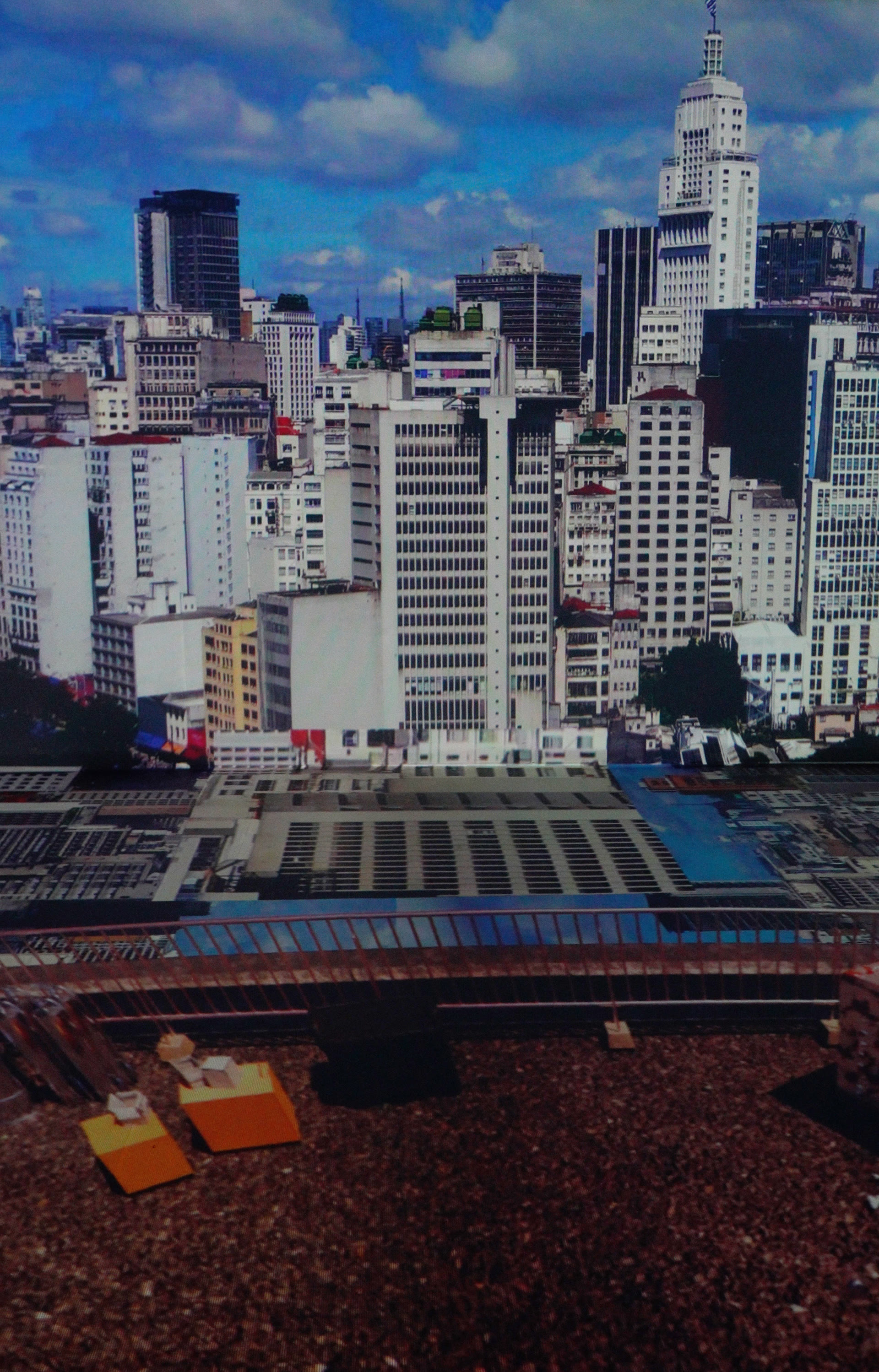
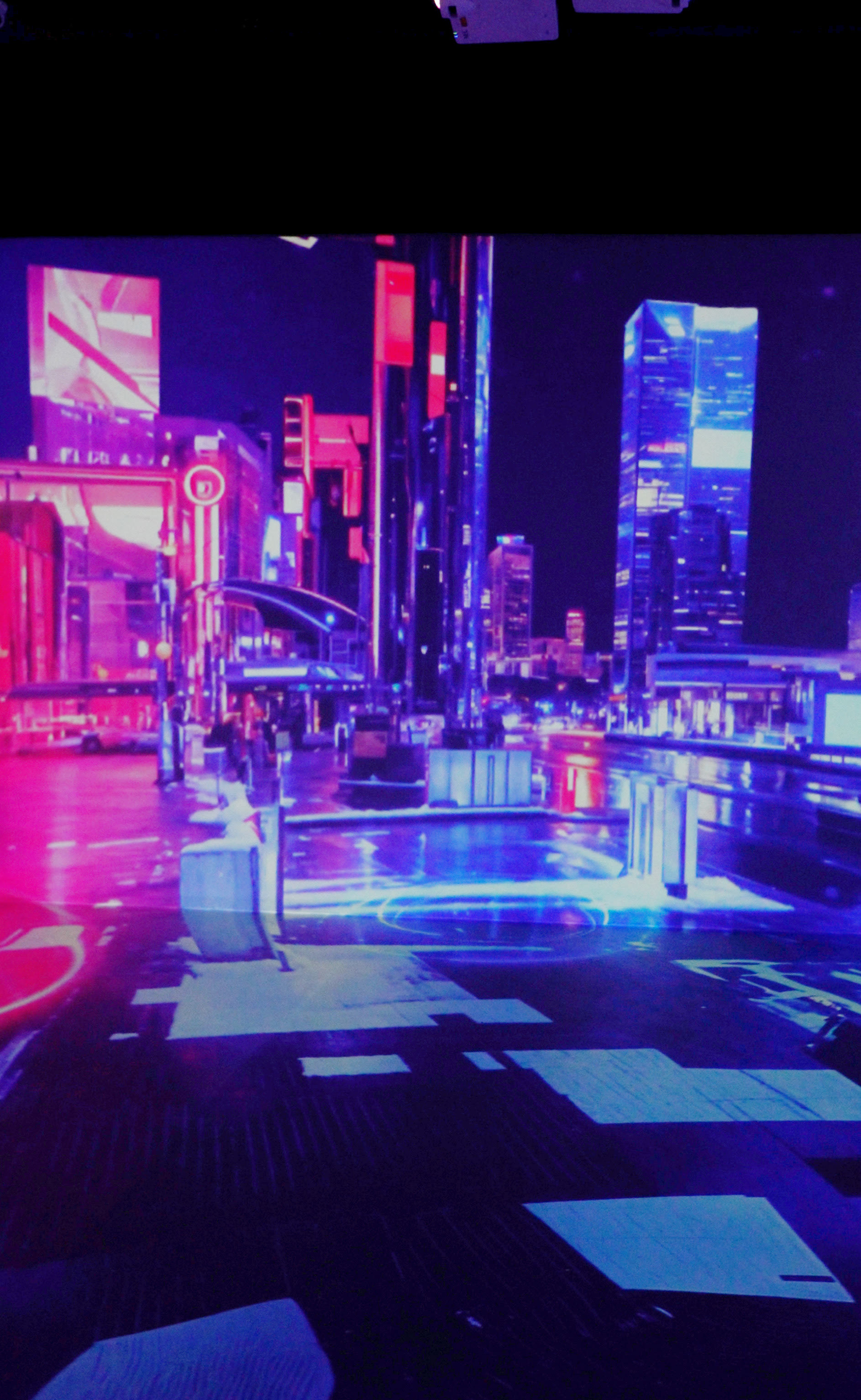
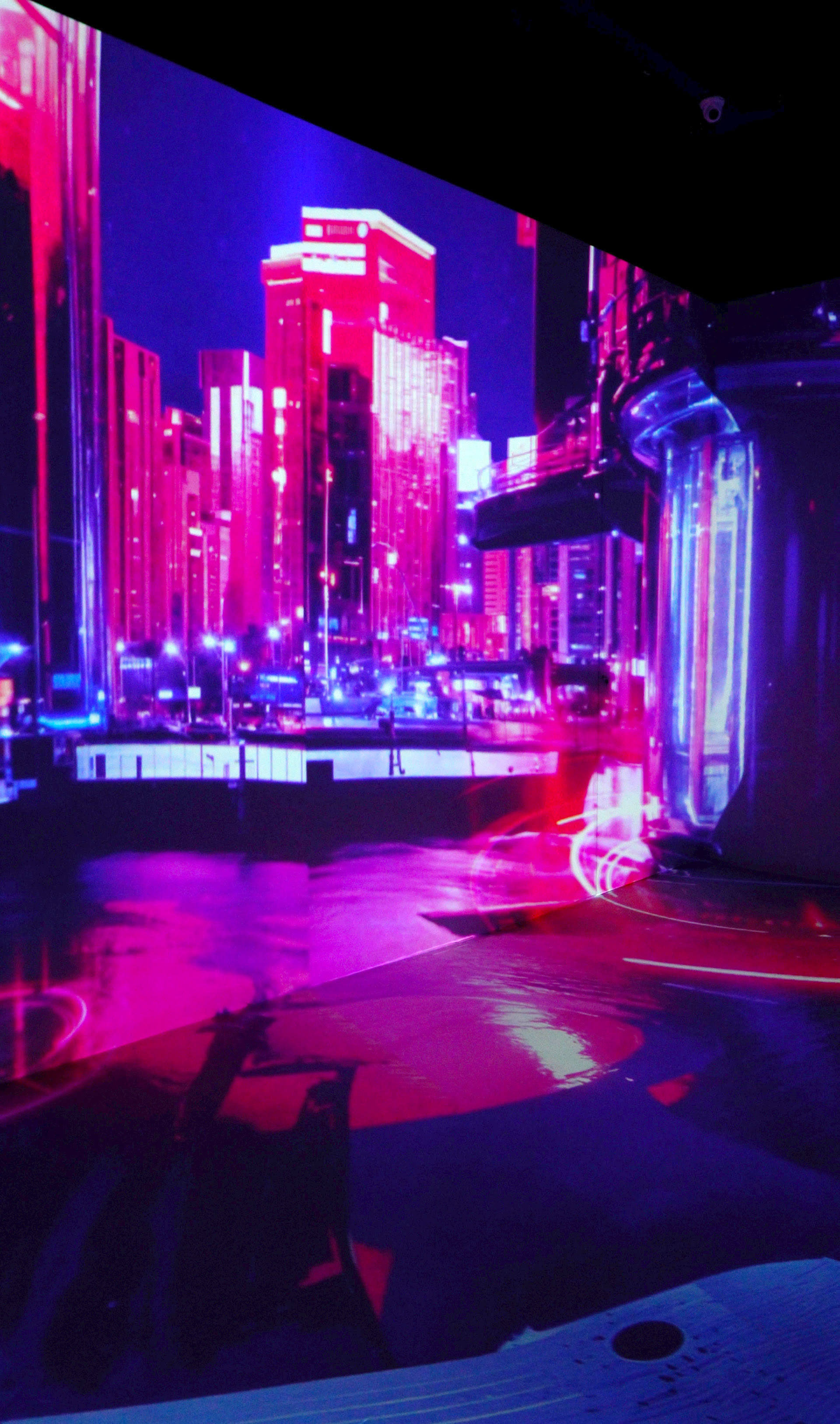
In 2024, I designed the entire 23rd floor of Farol Santander for a 16-minute journey to São Paulo’s future. Antonio Curti’s curation questioned what the city would be like a thousand years ahead, I wanted to answer with a technical question: if we used language models to imagine this future, would we be simulating realities or influencing the code of what’s yet to exist? I conceived the experience artistically and technically, working with LLMs and LoRa not as image generation tools, but as the philosophical foundation of the work. The journey passes through seven acts, floating islands in the sky, underground civilizations, fragmented remnants of the present, and the audience crosses luminous portals between coexisting worlds, not knowing if they’re seeing possible futures or multiple simulations of the same present.
Within the immersive experience, I created Território, an interactive installation where the audience’s body movements transform into architectural elements, buildings, cities, projected in real time by a system I developed with the AYA team. It’s not gamification: it’s the idea that inhabiting a space is building it. Each person who enters the room becomes an architect of a territory that never existed before and ceases to exist when they leave. I used OpenCV, five mapped projectors, and an RTX 4090 to process bodily gesture as raw material for the urban landscape. It’s an investigation of presence, not representation.
The entire project demanded robust infrastructure: eleven synchronized projectors for the immersive room, 5.1 sound system, distributed network in three zones with complete redundancy, and a team of 53 people in direct work, totaling 142 positions overall. I technically coordinated the assembly and executive direction, but what interests me to document here is the gesture of conception: designing a space where technology doesn’t illustrate the future, it asks if the future is already happening, hidden inside the machines we use today.
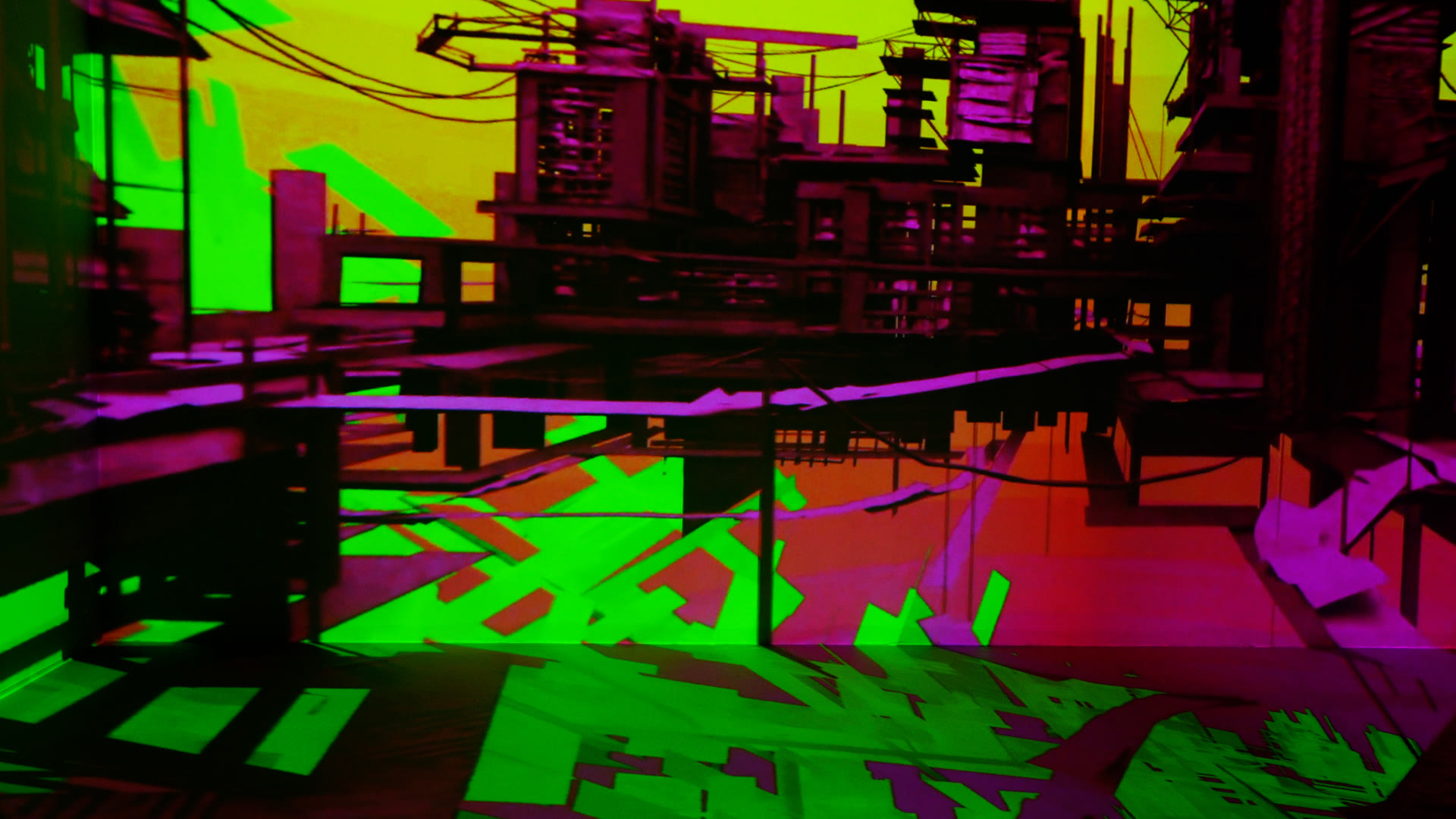
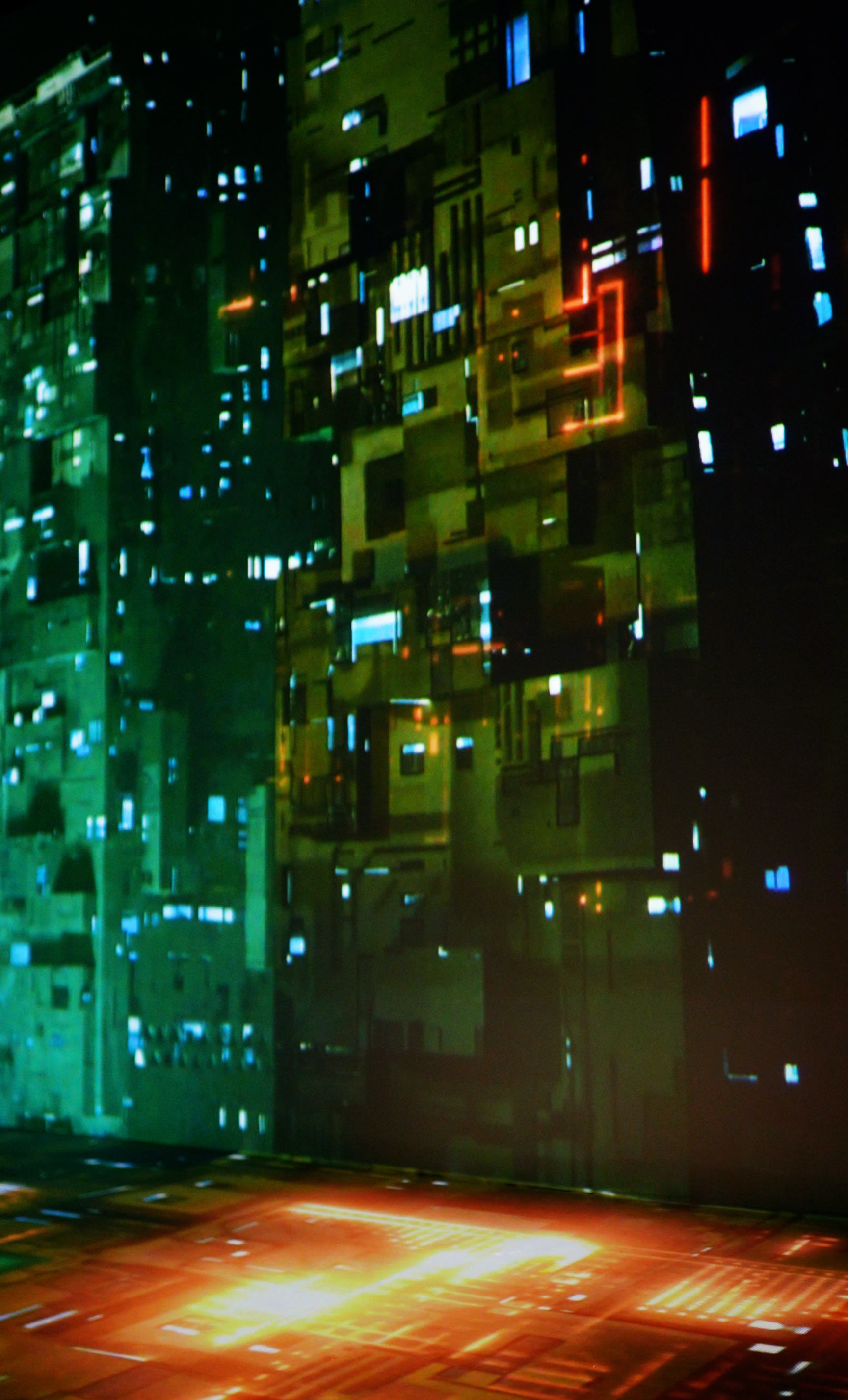
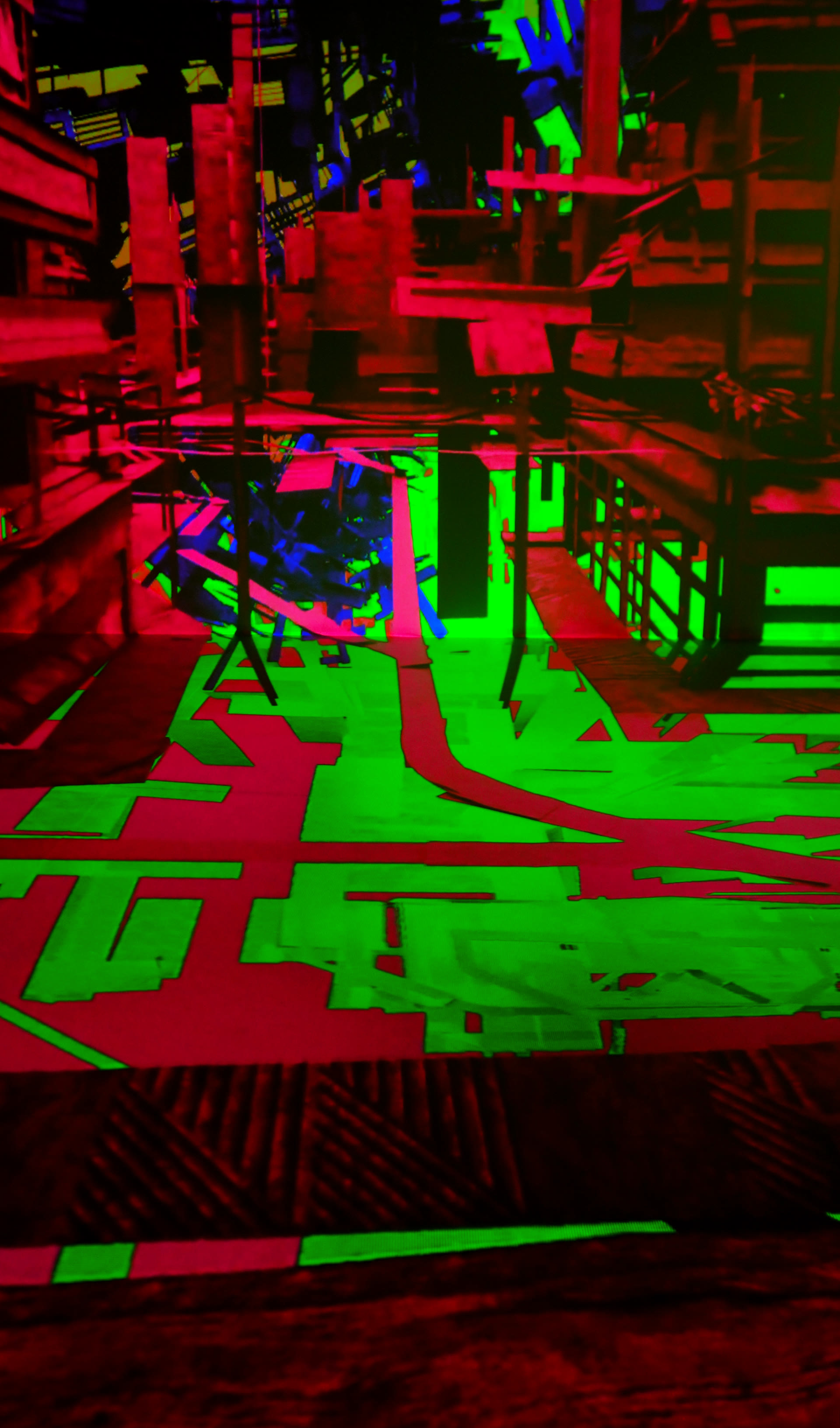
Immersive 16-minute journey through São Paulo a thousand years ahead, using LLMs and LoRa as philosophical ground and bodily movement as live urban matter.
- Number
- 011
- Editorial status
- Felipe-authored work
- Reading regime
- system / body / mechanism
- Status
- REALIZED
- Year
- 2024
- Location
- Farol Santander São Paulo
- Context
- série dos Elementos / humano
- Type
- EXPOSICAO IMERSIVA
- Series
- Os Elementos
- Technique / medium
- LLMs · LoRa · OpenCV · projeção · instalação interativa
- Immersive room
- Seven-act, 16-minute journey through coexisting future worlds on the 23rd floor of Farol Santander
- AI
- LLMs and LoRa used as philosophical foundation rather than only image-generation tools
- Territory
- Interactive installation where body movements become architectural elements projected in real time
- Tracking
- OpenCV, five mapped projectors, and an RTX 4090 process bodily gesture as raw material for the urban landscape
- Infrastructure
- Eleven synchronized projectors, 5.1 sound, and a distributed three-zone network with redundancy
- Question
- Is technology illustrating the future, or asking whether the future is already hidden inside today's machines?
Public connections that situate this work inside the archive before the narrative text.