Interlúdio
I conceived Interlúdio to answer a question that troubled me: in an era of exponential technological advancement, what is the fundamental role of the human? The answer I proposed was direct, machines wouldn’t exist without human beings. All technology requires a pulsing mind and soul.
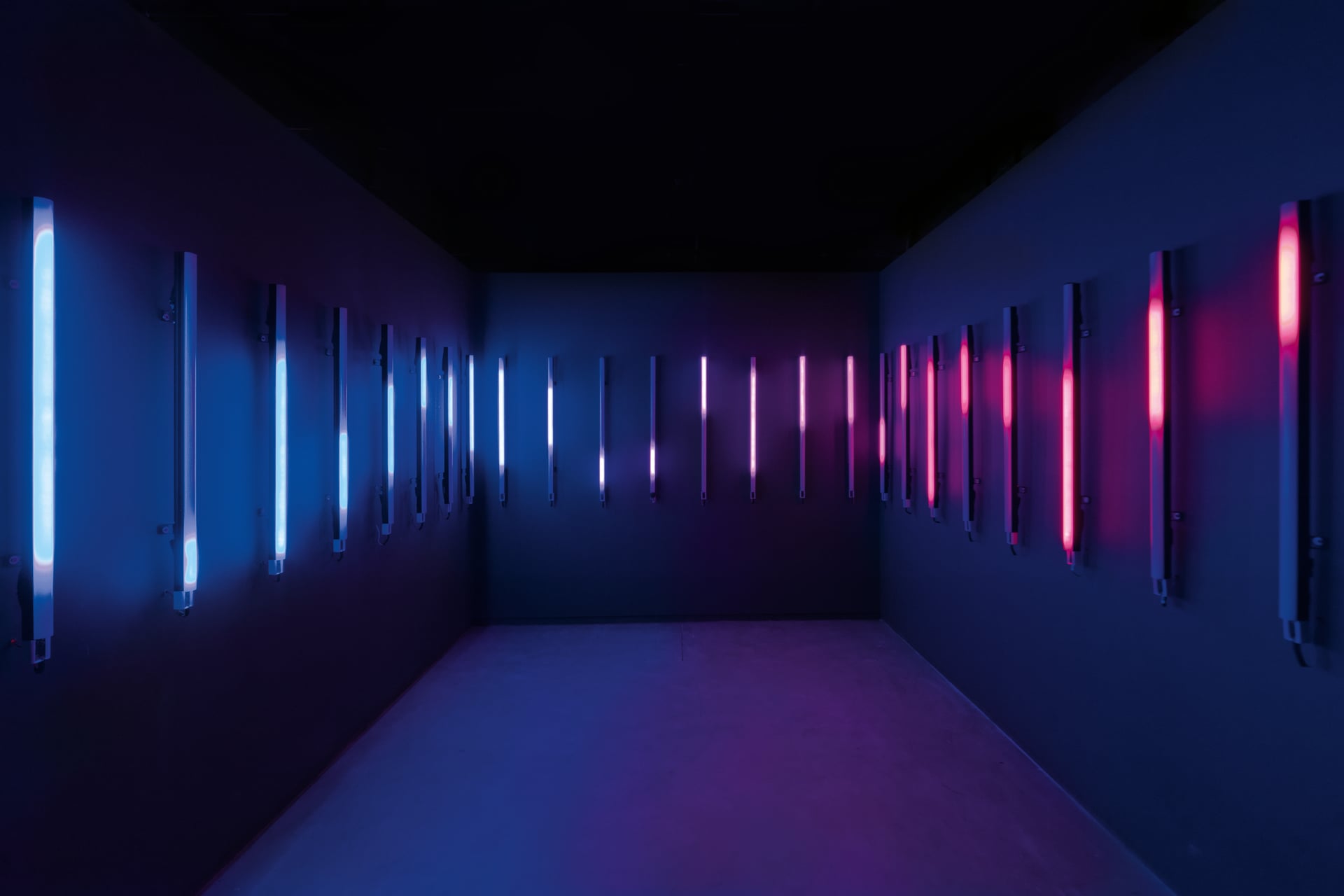
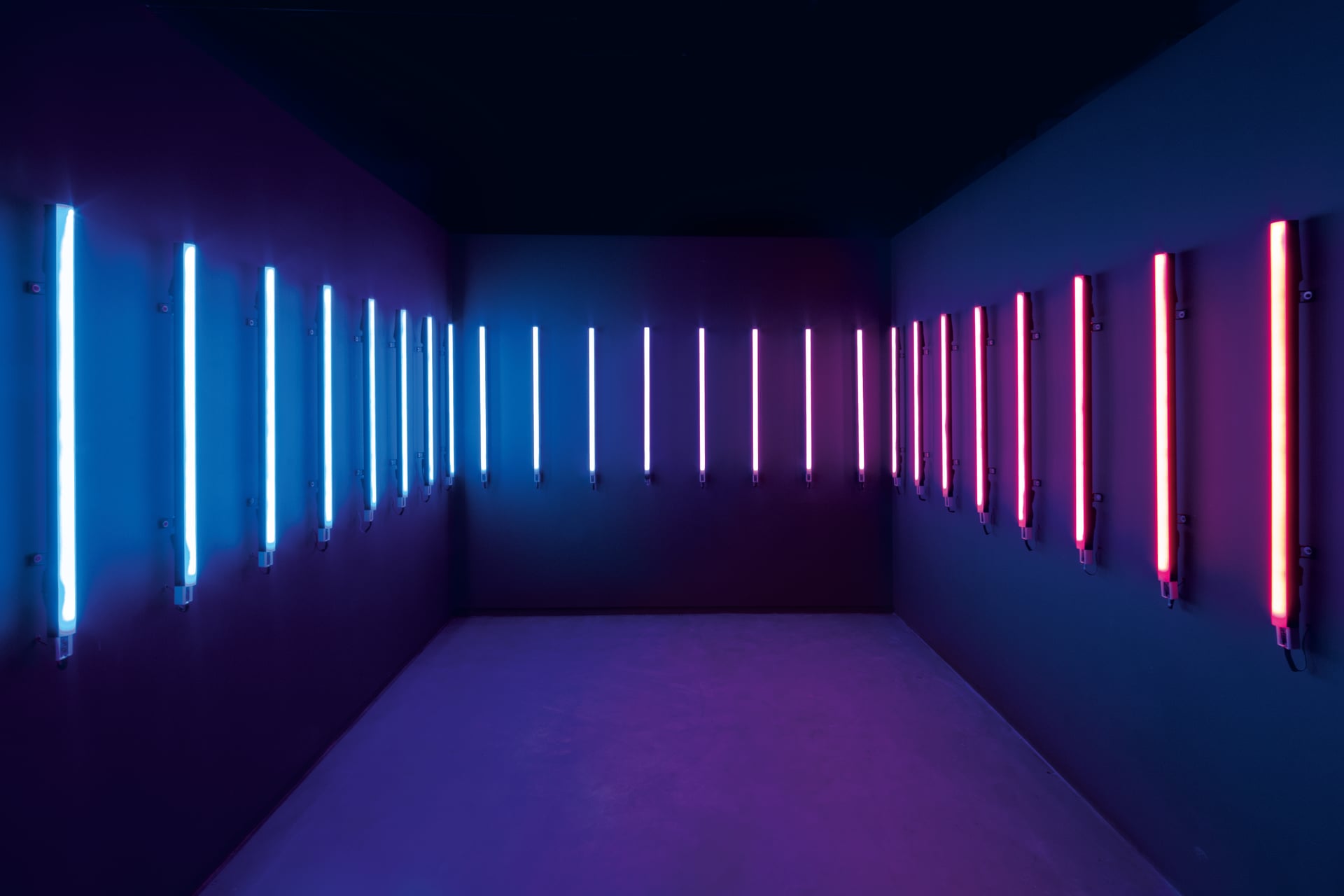
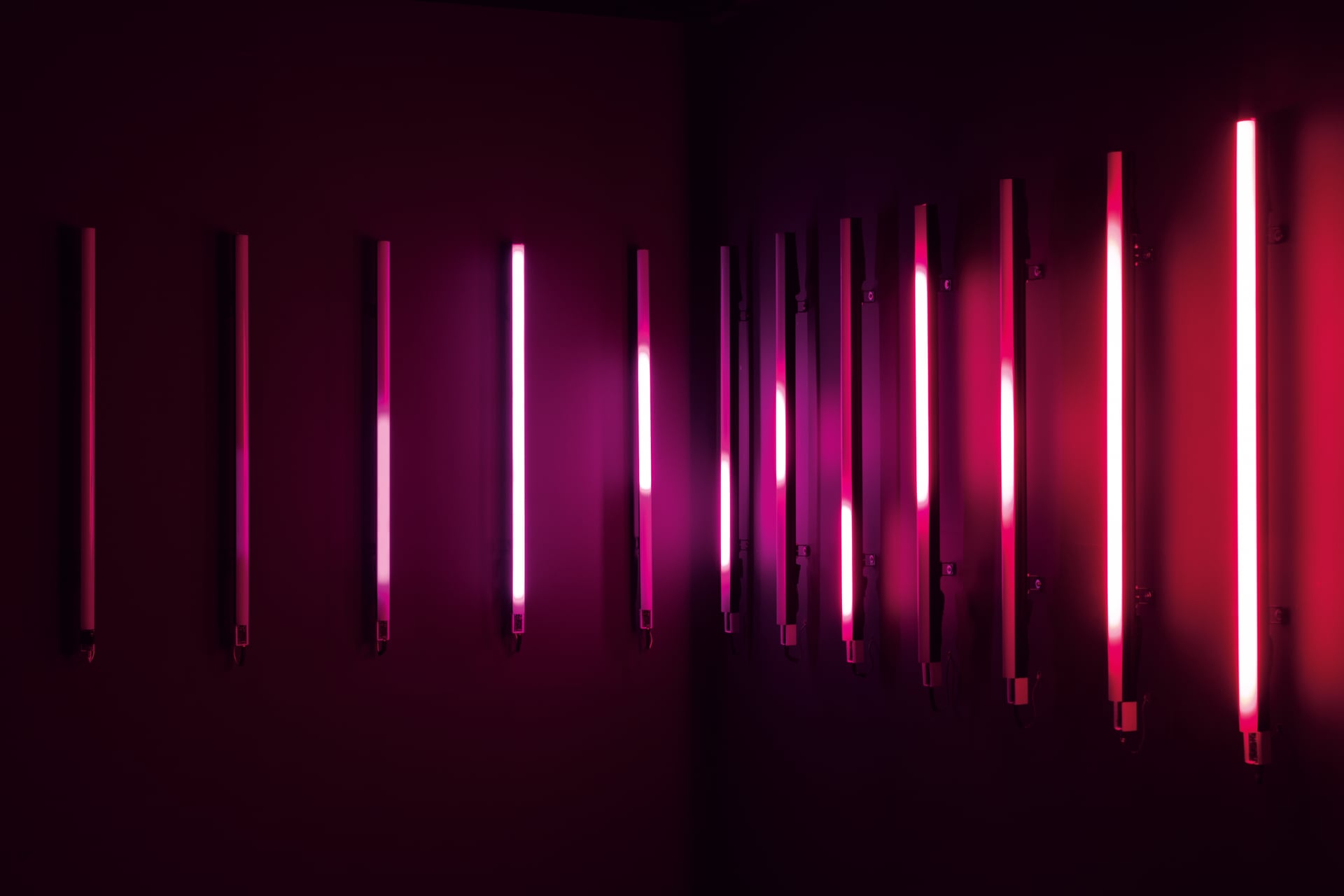
To materialize this idea, I designed an installation with ultra-precise proximity sensors and a responsive light system. I worked with Wesley Lee, who developed all the electronics and sensors. The work only existed when someone was present, the proximity of the human body activated changes in the light. Without visitors, the system remained inert. It was a literal demonstration: technology is not autonomous, it fundamentally depends on human intention and presence.
The title Interlúdio suggests a pause, a moment of reflection between acts. I wanted the work to function as a breath within the Metaversø exhibition, a space to question the raw material that produces all technology: ourselves. Antonio Curti, who signed the curation, brought together works by Bijari, Sala 28, and other artists exploring virtual universes and parallel realities. Interlúdio was the humanist counterpoint, it insisted on the centrality of the human.
The work functions because Wesley transformed electronics into sensitive language, because each visitor became an essential part of the system, and because the light only gained meaning when a body approached.
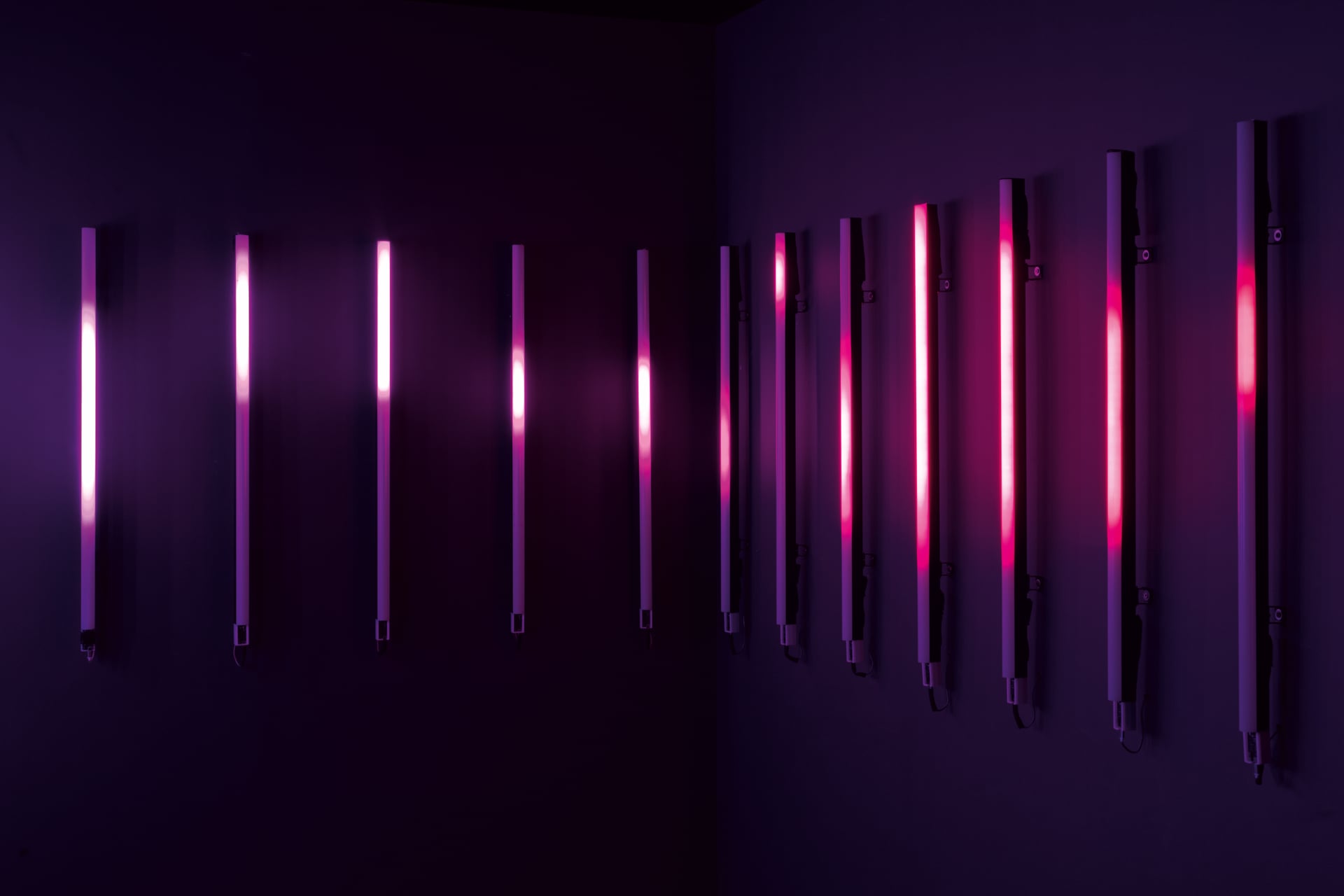
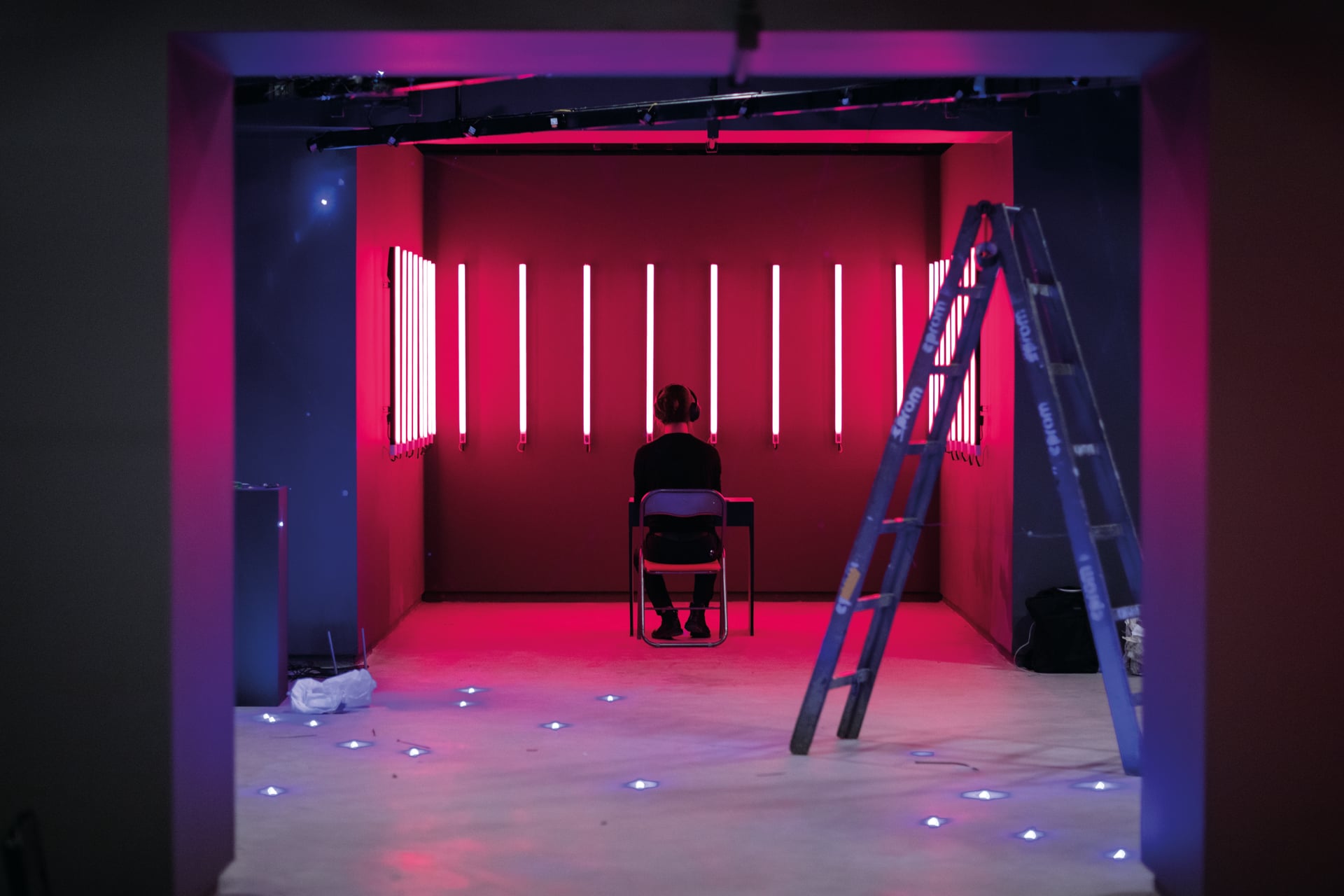
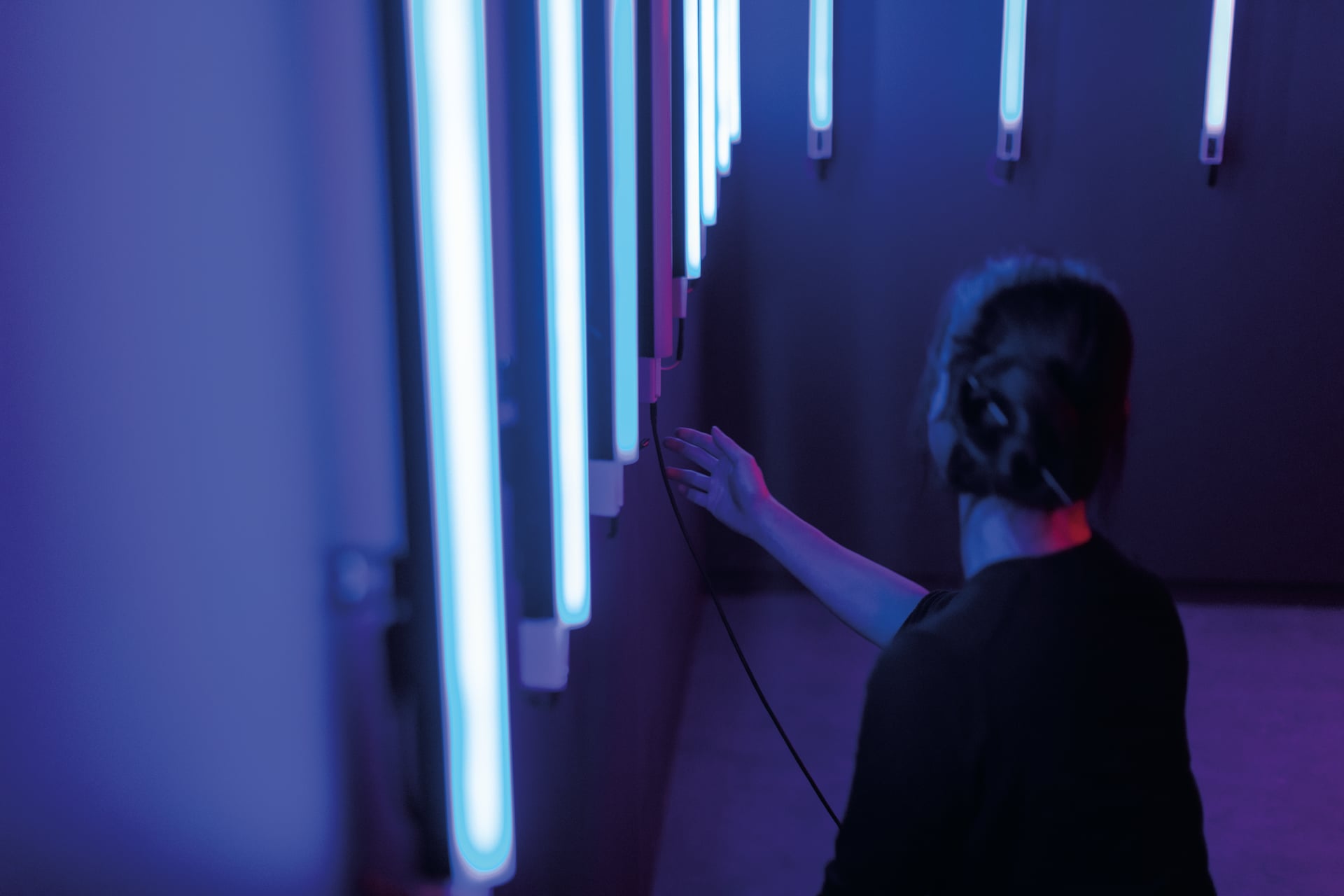
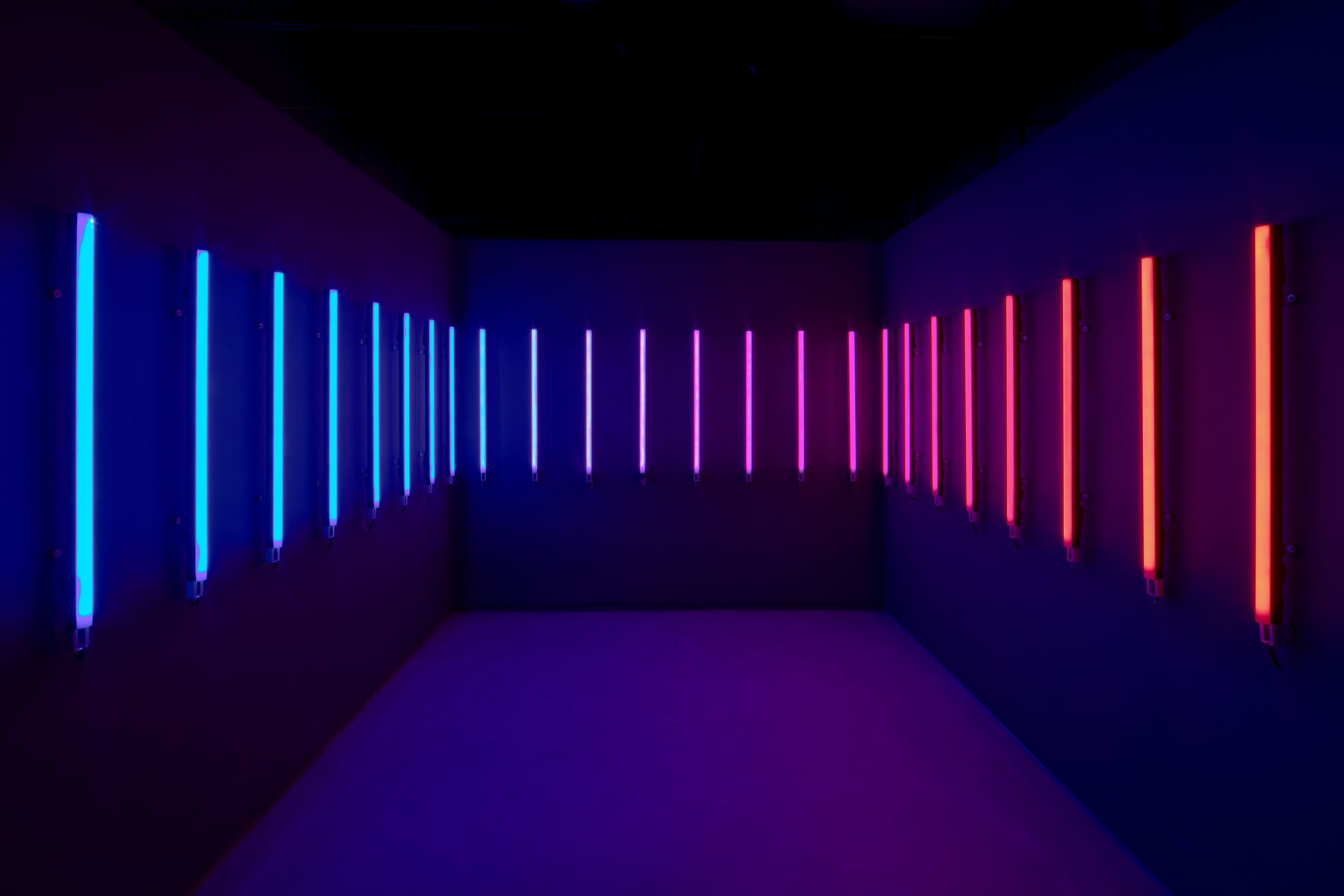
Responsive installation in which proximity sensors and light activate only with the body's presence, making technology's dependence on the human literal.
- Number
- 008
- Editorial status
- Felipe-authored work
- Reading regime
- system / body / mechanism
- Status
- REALIZED
- Year
- 2019
- Location
- Farol Santander, São Paulo
- Context
- Metaversø / Farol
- Type
- INSTALACAO
- Series
- Metaversø
- Technique / medium
- sensores de proximidade + luz responsiva
- Realization
- Metaversø · Farol Santander
- System
- Ultra-precise proximity sensors coupled to a responsive light system
- Hardware
- Wesley Lee developed the installation's electronics and sensors
- Operation
- Without a body present, the system remains inert, the work only exists when someone approaches
- Question
- What is the fundamental role of the human in an era of exponential technological advancement?
Public connections that situate this work inside the archive before the narrative text.
The visual documentation published in this round is still minimal. The goal here is to name the work's operation and move the page out of a generic silent-gallery regime.