Abstract
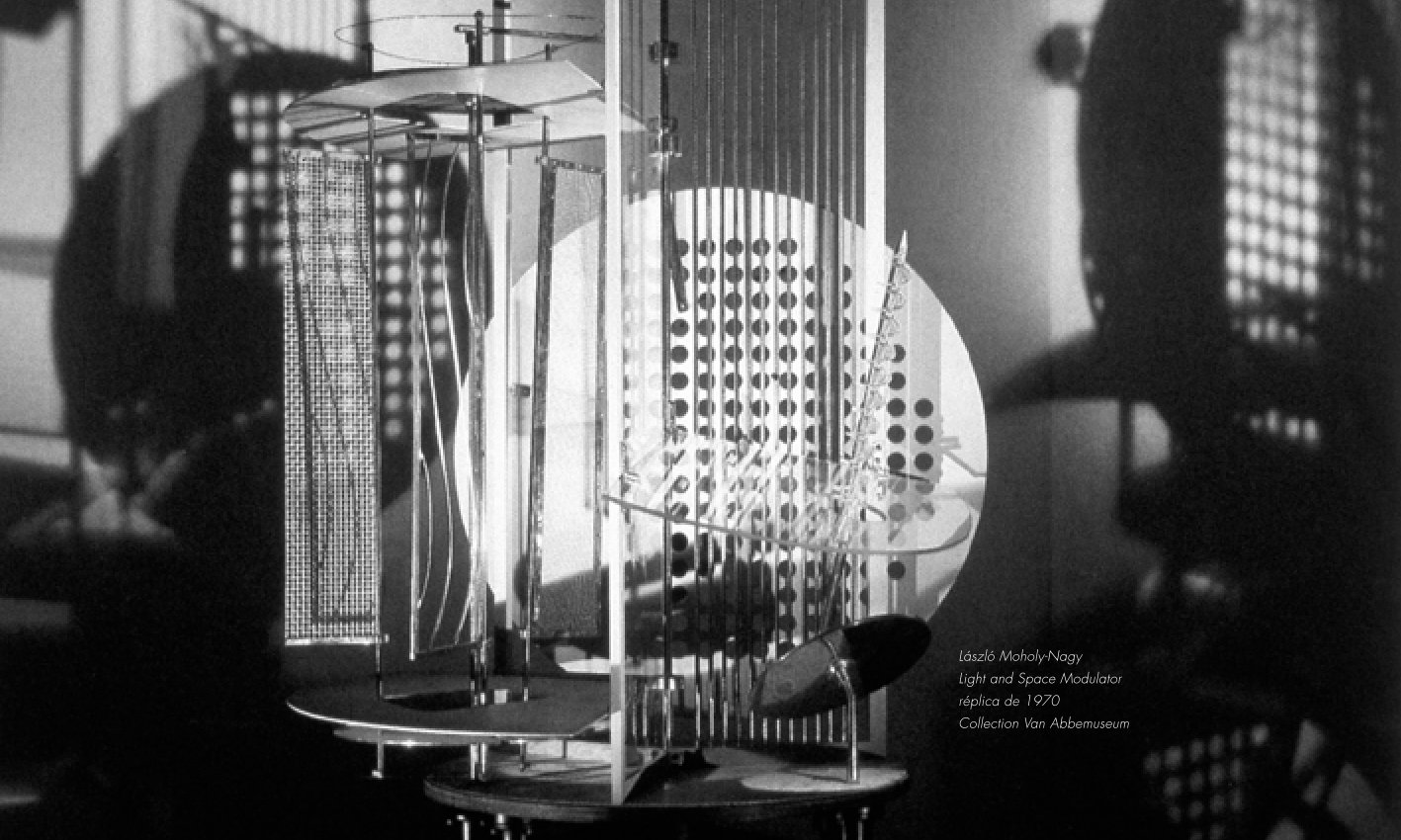
LUZCIDADE [LIGHTCITY] analyzes the trajectory of light as material in art and its relationships with industry. It starts from László Moholy-Nagy’s Light and Space Modulator (Bauhaus, 1920-1930), passes through Dan Flavin’s work (fluorescent light as medium, 1960s-1990s), and arrives at LUZCIDADE, a series of five light installations I created between 2009 and 2013 in different spatial contexts in São Paulo and the Mantiqueira Mountains.
Advisor: Carlos Zibel Costa Panel: Giselle Beiguelman Program: Design, FAU-USP, 2013
The lineage
Moholy-Nagy, light as material
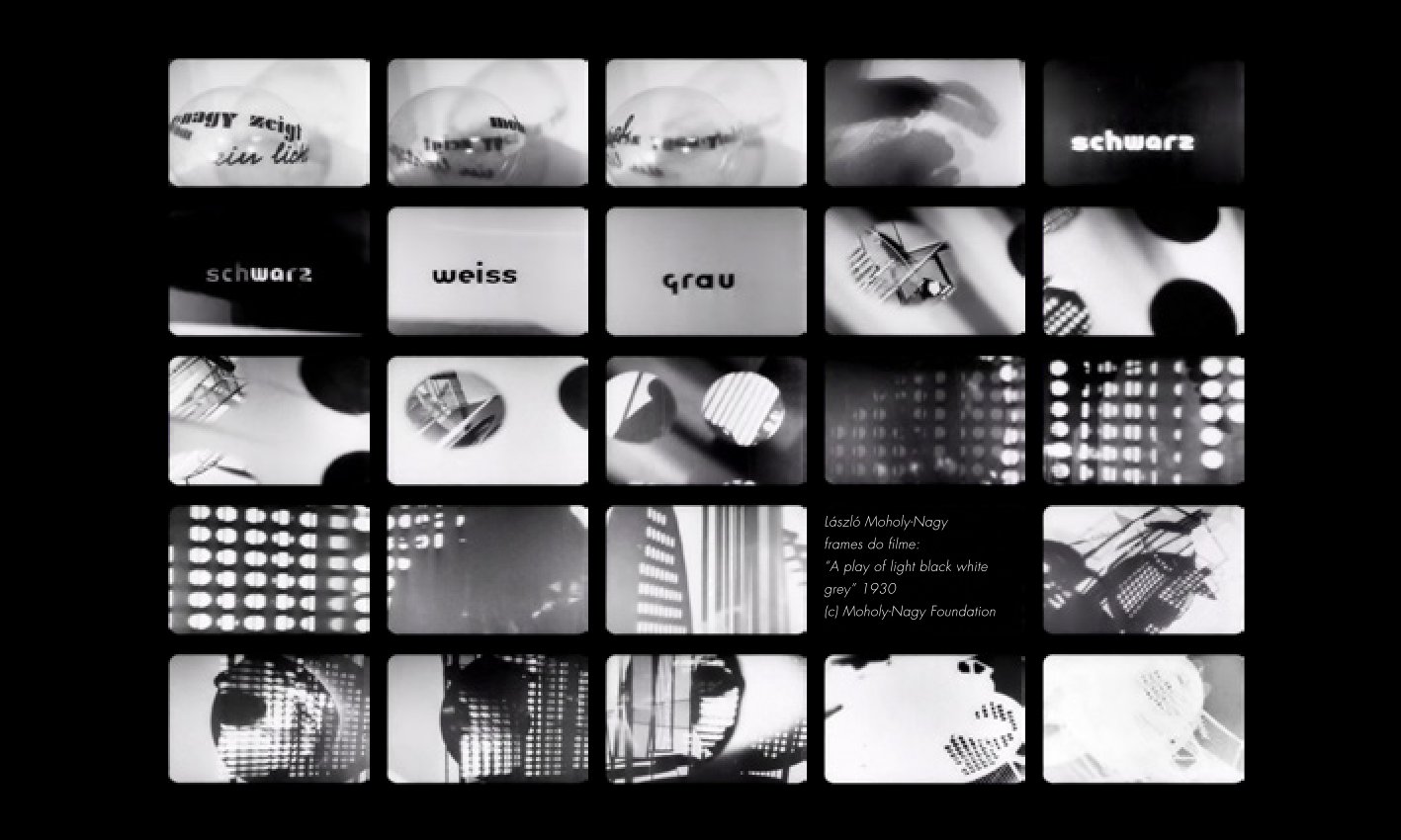
At the Bauhaus, Moholy-Nagy proposed that light and space could be worked as materials, in the same way as wood, metal, or ceramics. His Light and Space Modulator (1922-1930) was the first parametric work of light: an electromechanical system where controlled variables constructed different spaces through the projection of shadows and reflections.
“The machine cannot be used as a shortcut to escape the necessity of biological experience.” , Moholy-Nagy, quoted by Lewis Mumford
This phrase has haunted me for thirteen years. In 2026, it reappeared as firmware in my cognitive implant: “When production exceeds the body’s absorption → stop.”
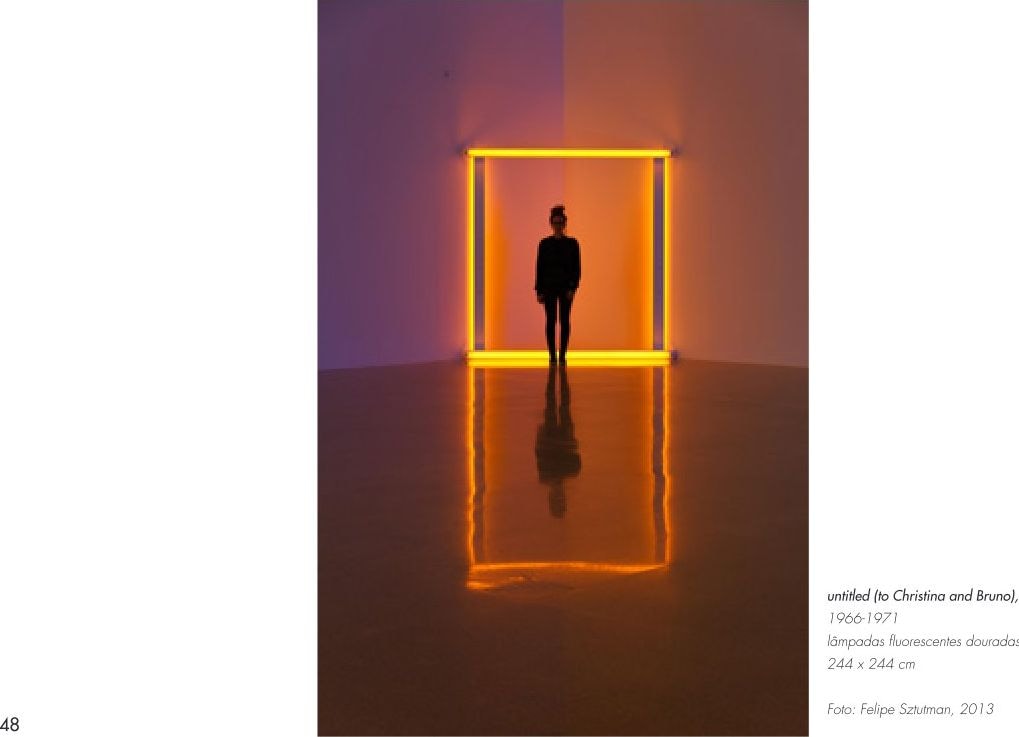
Dan Flavin, the lamp as medium
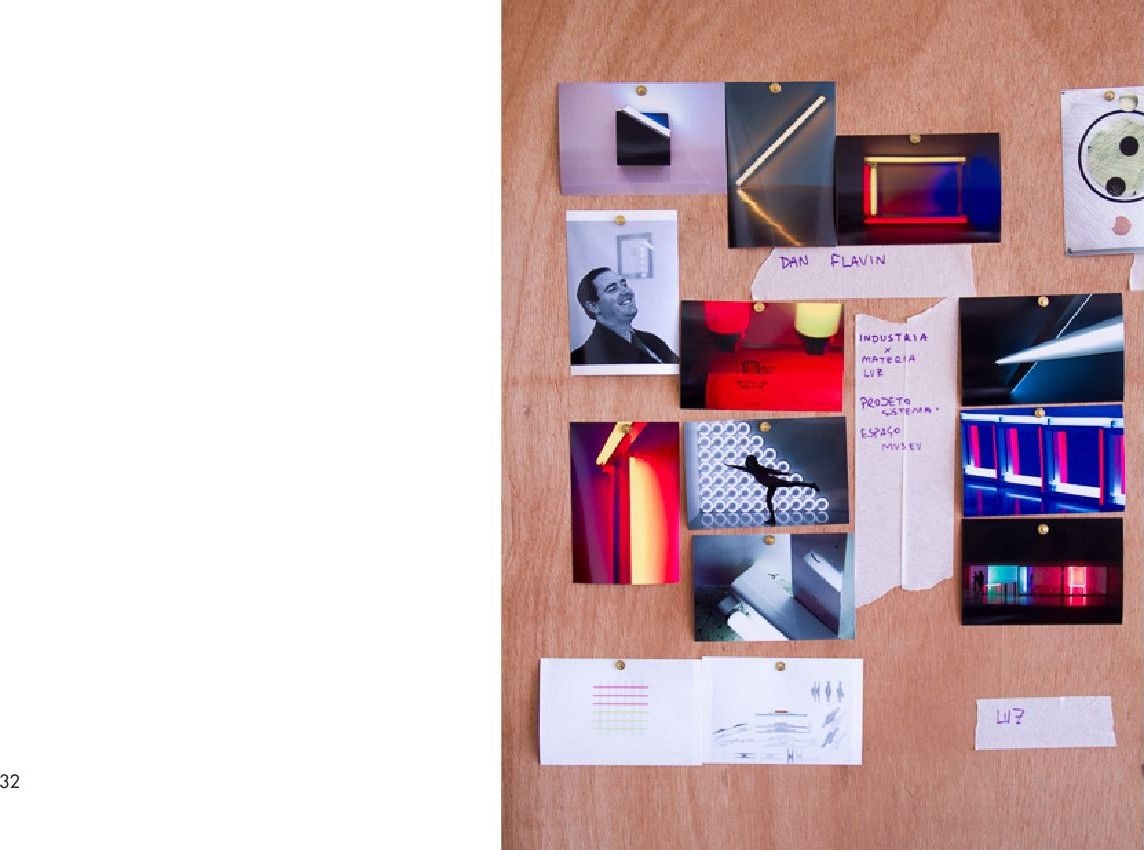
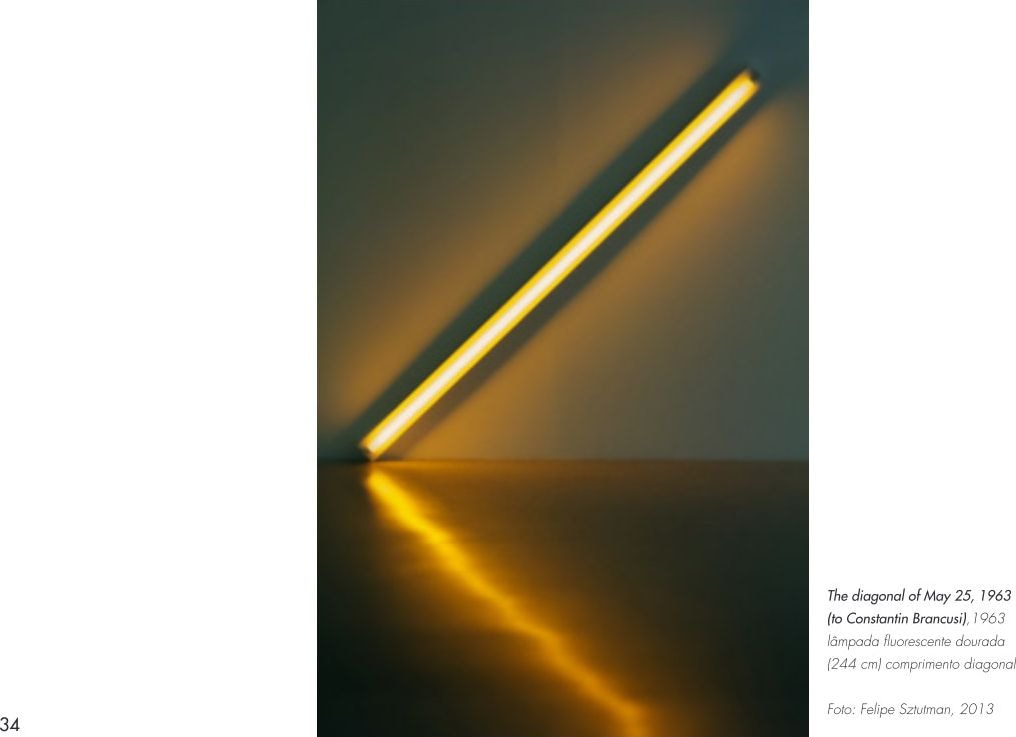
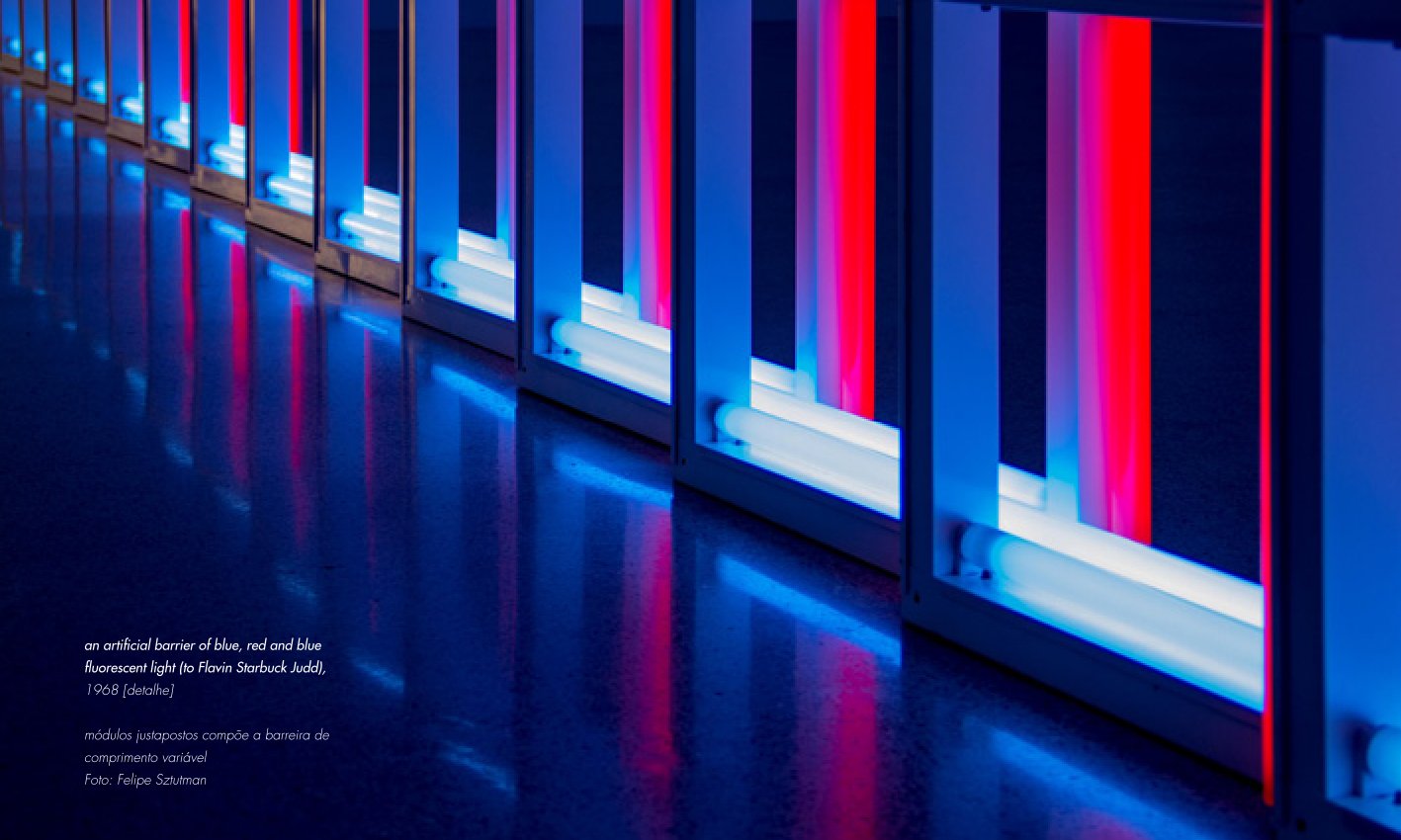
Flavin worked exclusively with commercial fluorescent lamps for over thirty years. He didn’t project light onto space, he inserted the lamp into space as a sculptural element. The emanated light painted walls, dissolved corners, created environments that didn’t exist before the lamp was turned on.
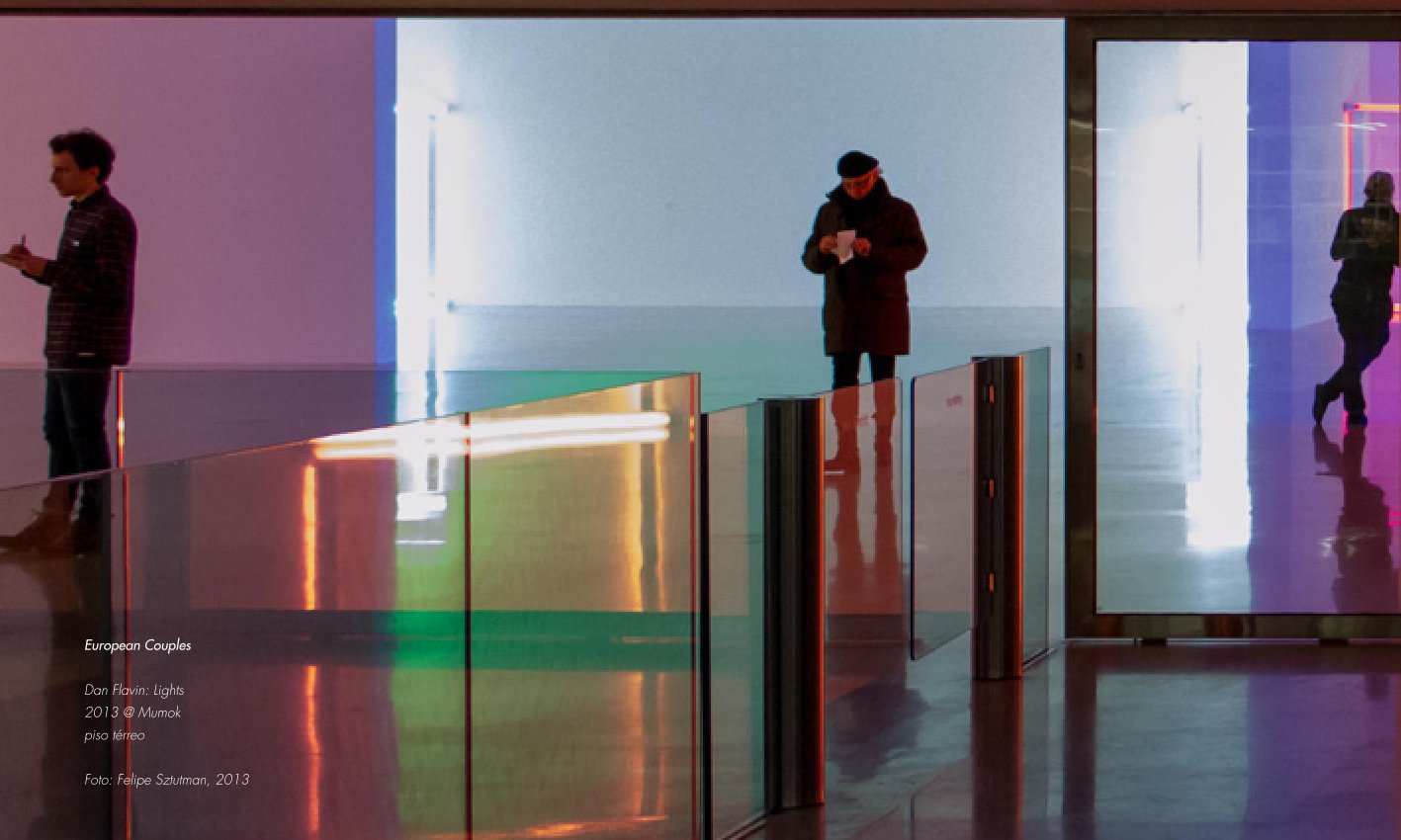
In January 2013, I visited Dan Flavin’s Lights exhibition at Mumok in Vienna. This experience injected the fuel that was missing for the unfolding of the work. It sensitized me and impregnated in me a sense of belonging, the identification of a real field of action.
LUZCIDADE, the field
The five works in the series explore light as material in São Paulo’s space:
-
Object in the Form of: Space (2009), LabMIS. 1,444 fiber optic terminals, sound, aroma. First complete system.
-
OccupyCopan (2011), Copan Building. Tubular lamps (yellow, blue, red) tensioned by steel cable in a void between two floors.
-
Waterfall, for Córrego das Almas (2012), Anhangabaú Valley, URBE/CCBB. 500 meters of electroluminescent cable revealing the buried river.
-
untitled, for Córrego Rio Verde (2013), Beco do Batman. 240 meters of light, bicycle hoops, parametric design.
-
untitled, for Mantiqueira (2013), Mantiqueira Mountains. Natural waterfall. The natural environment defeated the parametric method, the form emerged from the encounter with nature.
The unsheltered
“In a sense, I feel unsheltered from a field of action, far removed from the original point proposed by the design program, no longer dealing with parameters of usability, ergonomics, readability, I set out in search of a horizon, a shelter for my production.”
I wrote this at 27 years old. Thirteen years later, the field is szt.link. The shelter is AYA. The horizon is working with immersive environments, which was born exactly here, in this series, in this search.
From LUZCIDADE to Utopian Forest
The Mantiqueira (2013) is the seed of Utopian Forest (2025). In Mantiqueira, I took electroluminescent cables to a waterfall and the parametric method didn’t work, nature is irreducible to parameters. Twelve years later, in Utopian Forest, I didn’t try to reproduce nature. I revealed its invisible networks, fungi, soil, water, through generative projections, aromas, and a light sculpture in the form of a waterfall.
The gesture is the same: making the invisible visible. The method evolved.
References
- MOHOLY-NAGY, László. The New Vision. Dover Publications.
- MOHOLY-NAGY, László. Peinture Photographie Film (1925). Nîmes: Chambon, 1993.
- WEIBEL, Peter, JANSEN, Gregor. Light Art From Artificial Light. Hatje Cantz, 2006.
- GOVAN, Michael, BELL, Tiffany. Dan Flavin: The Complete Lights, 1961-1996. National Gallery of Art, 2004.
- FLAVIN, Dan. “…in daylight or cool white: an autobiographical sketch.” Artforum 4, no. 4 (Dec 1965), p. 24.
- ARGAN, Giulio Carlo. Arte Moderna. Sansoni, 1992.
Design Thesis FAU-USP, 2013. Advisor Carlos Zibel Costa, panel Giselle Beiguelman. The complete document is available upon request.